If you're just starting on your knitting journey, having the right tools can make all the difference. There are a few essential items you’ll want to gather to help you master beginner knitting techniques with ease and confidence.
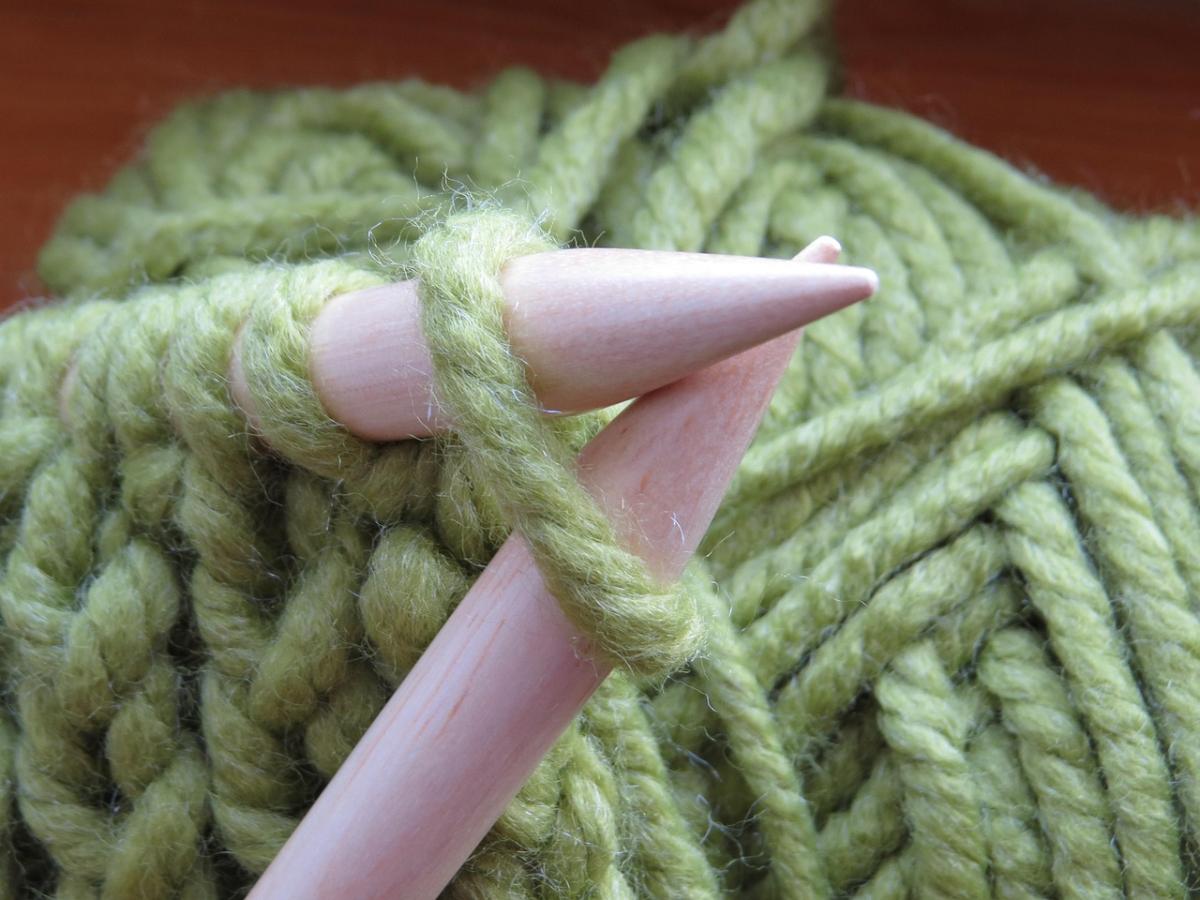
1. Knitting Needles: The first thing you’ll need is a good pair of knitting needles. For beginners, size 8 or 9 (US sizes) is a great choice. They’re thick enough to handle while being fine enough to manage your yarn without fuss. You can choose between bamboo, metal, and plastic needles; bamboo is often preferred because it offers a nice grip.
2. Yarn: Selecting the right yarn is crucial. Look for bulky or worsted weight yarns which are soft and easy to work with. Choose a light color to see your stitches clearly as you practice different knitting techniques. A wool-acrylic blend is also a solid option for durability and warmth, perfect for cozy projects.
3. Stitch Markers and Tapestry Needles: These are handy tools that can really help simplify your projects. Stitch markers can help you keep track of your rows or certain stitches, making it easier to follow patterns. Tapestry needles, on the other hand, are great for weaving in loose ends once your project is finished.
When starting with beginner knitting techniques, it’s all about keeping things simple and enjoyable. These essential tools will support you as you learn to knit beautiful items for yourself or as gifts! So, gather your supplies and get ready to dive into the soothing world of knitting.
Easy Stitches to Get You Started
Getting started with knitting can feel a bit overwhelming, but the good news is, there are some easy stitches that make a great foundation for any beginner. These beginner knitting techniques are simple to learn and will quickly build your confidence as you create cozy projects. So, grab your yarn and needles, and let’s dive in!
First up is the garter stitch. This is likely the first stitch you'll encounter, and it's perfect for beginners. Just knit every row, and you'll end up with a squishy, textured fabric that's great for scarves and blankets. Plus, it’s super forgiving if you make mistakes. So, if you mess up, just stitch your way back—no biggie!
Next, try the stockinette stitch. It’s a bit more advanced than the garter stitch, but still perfect for beginners. You'll alternate between knitting one row and purling the next. This technique creates a smooth side and a bumpy side, giving your project a neat look. It’s great for sweaters and hats, too!
Finally, consider the ribbing stitch. This one adds a nice stretch to your knitting, which is handy for cuffs and edges. You can mix knit and purl stitches, often in a pattern of “knit 2, purl 2.” It’s simple but gives your work that professional touch. Plus, once you get the hang of it, you’ll love how versatile it is for different projects!
These beginner knitting techniques will set you up for success as you embark on your knitting journey. With just a few simple stitches, you’ll be amazed at what you can create. So, keep practicing, and before you know it, you’ll be whipping up cozy gifts and home decor in no time!
Helpful Tips for Successful Knitting
When you're starting out with knitting, it’s all about enjoyment and practice. Here are some helpful tips to get you comfortable with beginner knitting techniques!
1. Choose the Right Yarn: Start with medium-weight yarn (often labeled as “worsted” weight). It’s easier to handle and comes in various fun colors. Avoid super thin or fuzzy yarns at first; they can be tricky and frustrating.
2. Use the Right Needles: For beginners, wooden or bamboo needles can be a great choice. They offer a bit more grip on the yarn, which helps prevent slipping. Plus, they feel nice in your hands during those longer knitting sessions!
3. Practice the Basic Stitches: Get comfortable with the fundamental stitches, like the knit and purl. These are the backbone of most knitting techniques. Spend some time just practicing these stitches until they feel second nature.
4. Take Breaks and Stay Relaxed: Knitting should be fun, not stressful! If you find yourself making mistakes, take a break. Stretch your hands, relax your shoulders, and come back to it refreshed. Knitting with a relaxed mindset can help you avoid tension and mistakes.
By keeping these tips in mind, you’ll find that mastering beginner knitting techniques can lead to cozy and enjoyable projects. Happy knitting!
Fun Projects for Cozy Creations
Knitting isn't just a skill—it's a doorway to cozy creations that can brighten up your home or make perfect gifts for loved ones. Whether you're just learning the ropes with beginner knitting techniques or you’re looking to take your hobbies to the next level, there are plenty of fun projects to dive into!
One simple yet satisfying project is a chunky knit blanket. This is perfect for new knitters since it typically uses very thick yarn and bigger needles. Just imagine curling up in a soft, warm blanket that you made yourself! Plus, if you follow basic knitting techniques, you'll have something special to snuggle with in no time.
Another great starter project is a cozy scarf. Scarves are forgiving when it comes to mistakes, which makes them fantastic for practicing your beginner knitting techniques. You can experiment with different stitches to create a unique look, and you’ll have a stylish accessory for those chilly days ahead.
If you want to add a personal touch to your home, think about knitting some dishcloths or coasters. They’re quick and easy projects that give you a chance to play around with different yarn colors and textures. Plus, they make excellent gifts or a lovely addition to your kitchen!
Remember, the key is to have fun and enjoy the process. Each project will help you become more comfortable with your knitting skills, and soon enough, you’ll be ready to tackle more complex patterns and techniques. Happy knitting!