Getting started with knitting doesn't have to be overwhelming! A few basic supplies are all you need to dive into the world of yarn and stitches. Let's break down what you really need to begin your knitting journey.
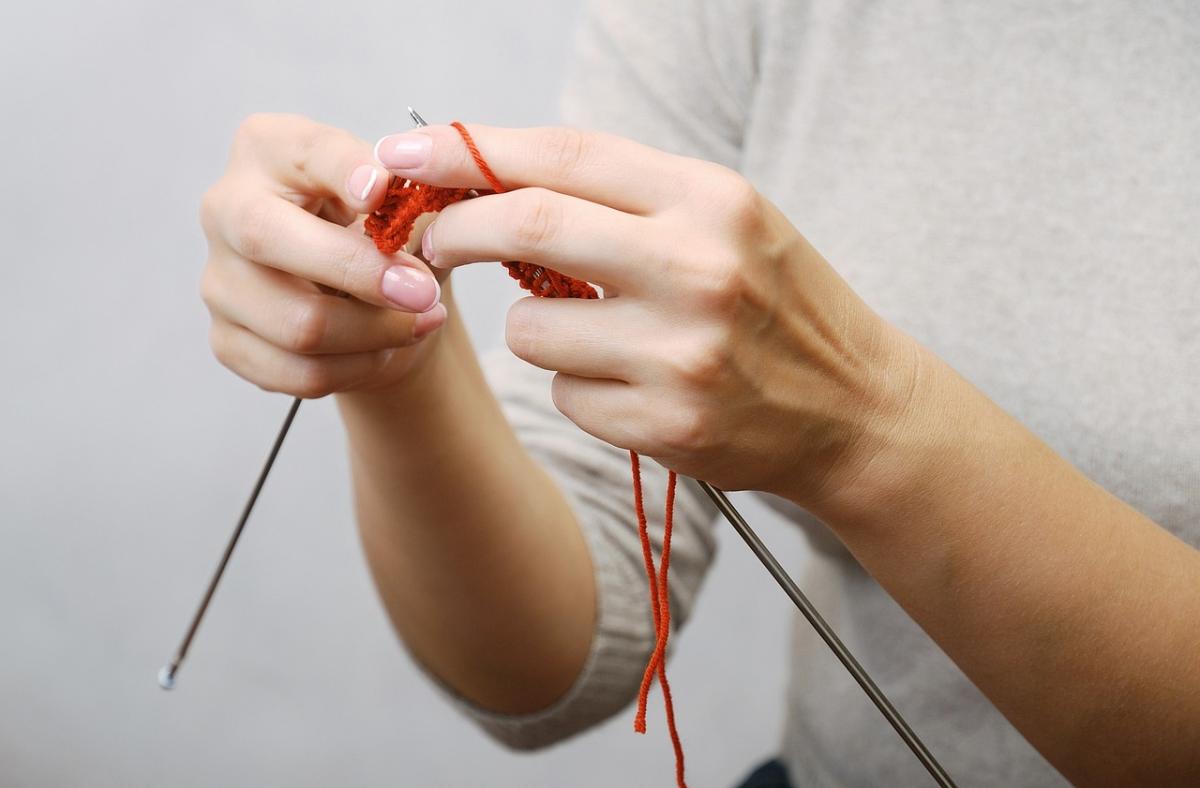
First off, you’ll need a pair of knitting needles. They come in various sizes, but for beginners, simple medium-sized needles, like US size 8 (5mm), are a great choice. They’re easy to handle and work well with many yarns. You can choose between materials like bamboo, metal, or plastic, depending on your grip and feel preference.
Next up is yarn. When starting to knit, look for a worsted weight yarn. It's versatile and not too thin or thick, making it ideal for beginners. You’ll want something soft and squishy that won’t irritate your hands as you practice your stitches. Stick to lighter colors to easily see your stitches as you work.
In addition to needles and yarn, a pair of scissors and a yarn needle will come in handy. Scissors will let you cut your yarn cleanly, while a yarn needle, which has a larger eye, is perfect for weaving in those pesky loose ends. These few supplies make up the heart of your knitting basics and will get you well on your way to starting to knit.
Lastly, consider grabbing a couple of stitch markers if you plan to work on patterns that require counting stitches or keeping track of rows. They’re simple but incredibly useful tools that can make practicing your knitting basics much easier. With these supplies in hand, you’ll be ready to create beautiful projects in no time!
Understanding Different Types of Yarn
When diving into the world of knitting, understanding the different types of yarn is one of those essential knitting basics. Yarn comes in various materials, textures, and weights, each offering a unique feel and look to your projects. If you’re starting to knit, getting to know your yarn will help you choose the right one for your needs.
First up, let’s talk about yarn materials. The most common types include:
Next, let’s discuss yarn weight. This simply refers to the thickness of the yarn, which can affect the texture and drape of your project. Here’s a quick rundown:
Now that you have a basic understanding of yarn types and weights, you’re one step closer to picking the perfect yarn for your first project. Remember, experimenting with different yarns can help you find your favorites, so don’t hesitate to try new things as you continue your knitting journey!
Choosing the Right Knitting Needles
When you're diving into the knitting world, picking the right knitting needles is one of those essential knitting basics you can't overlook. The choice can actually transform your experience, making it smoother and more enjoyable as you're starting to knit. Let's break it down.
First things first, the material of your needles matters. You usually have options like:
Next up, consider the size. Knitting needles come in different sizes, which affects how tight or loose your stitches will be. Generally, a medium size (like 8 or 9) is a safe bet for beginners. It allows you to work with a range of yarn without making things too tricky right off the bat.
Finally, think about the type of needles. Straight needles are perfect for flat pieces, like scarves, while circular needles are super handy for knitting in the round, like hats or sweaters. As you're starting to knit, experimenting with different styles helps you find what feels best in your hands.
Simple Techniques for New Knitters
If you’re diving into the world of knitting, it’s all about mastering the simple techniques that will help you build confidence. Knitting basics are really all about getting comfortable with your yarn and needles. Let’s break down a few straightforward techniques to get you started on the right foot.
First up is the
Next, let’s talk about the
One last basic technique to touch on is how to bind off. This is what you do when you’re finished with your piece. It helps to keep your stitches from unraveling. Simply knit two stitches, then lift the first stitch over the second and off the needle. Keep doing this until you have one stitch left. Cut the yarn, pull it through, and you’re done! Now you can show off your new skills.