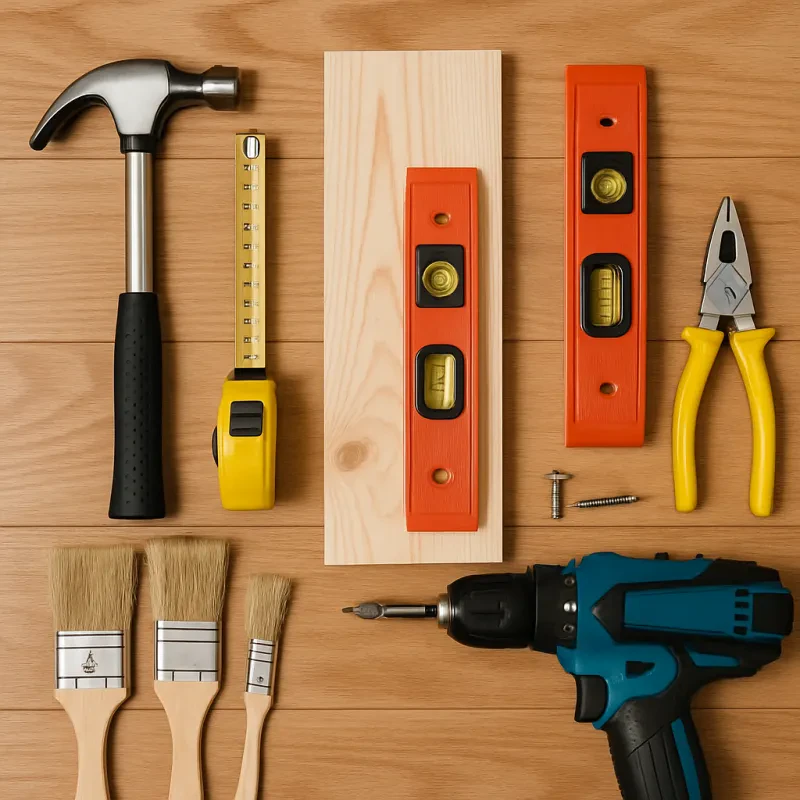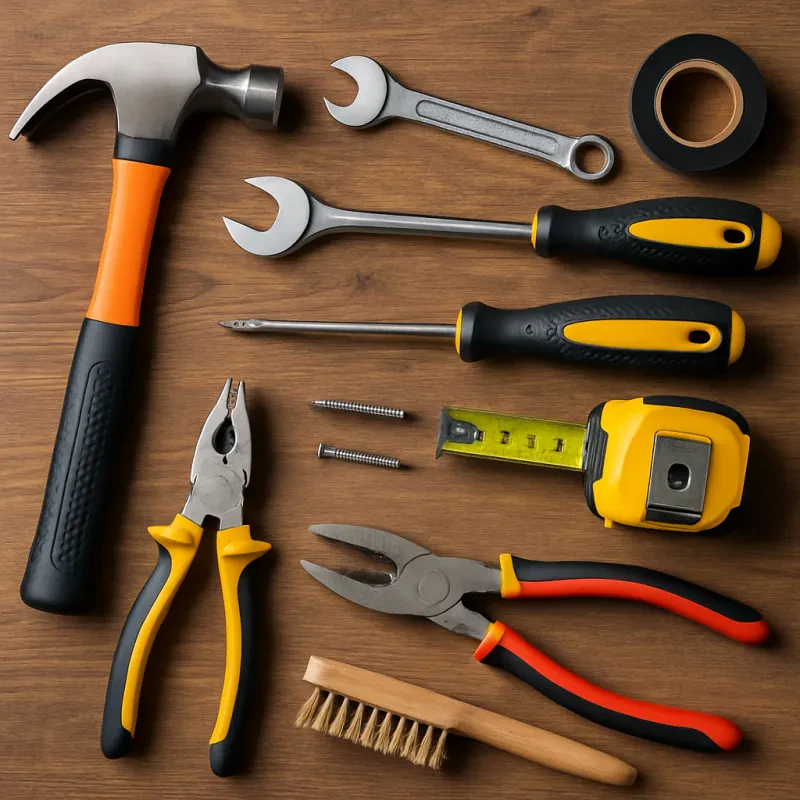
Next up, choose your wood wisely. Basswood is a popular choice for beginners because it’s soft and easy to carve, which means less chance of mistakes. It’s like the friendly beginner's wood! You might also want to grab a few blocks of this wood in different sizes to give yourself options to practice with.
Before diving into a project, sketch out your design on paper. This doesn't need to be fancy but gives you a plan to work from. Once you’re ready, transfer your design onto the wood. You can light trace it with a pencil or use carbon paper. Having a clear outline helps guide your carving and keeps you on track.
Finally, practice makes perfect. Start with simple shapes and work your way up to more intricate designs. It's totally normal to make mistakes—embrace them! Each project teaches you something new, so don’t be too hard on yourself. With patience and practice, you’ll surprise yourself with what you can create!
Choosing the Right Tools for You
When you’re diving into the world of wood carving, having the right tools can make all the difference. It’s easy to feel overwhelmed with all the options out there, but let’s break it down together. Start with the basics, and you’ll find your groove in no time!
First off, you’ll want a good set of carving knives. Look for a beginner-friendly knife that feels comfortable in your hand. Some popular choices include a whittling knife or a detail knife. These are great for getting started on simple projects. Don’t stress about having every type of knife right away; just grab a couple that suit your style and give them a try.
Next, consider getting a carving chisel set. These tools come in various shapes and sizes, perfect for different details and finishes. It’s a good idea to look for a set that includes a variety of straight and curved chisels. This way, you’ll be ready to tackle everything from broad strokes to fine details as your skills improve. Remember, you can always add more tools later!
Lastly, don’t forget about safety gear. A good pair of gloves and a thumb guard can help protect you while you carve. It’s all about being safe and enjoying the process. When you’re comfortable and confident, you’ll find that your creativity really shines through!
Basic Techniques Every Carver Should Know
When diving into wood carving, there are a few basic techniques that will set you on the right path. Whether you're whittling a tiny figure or shaping a larger project, these skills are essential. Let's break down some of the must-know techniques.
1. Knife Grip and Control
Getting a good grip on your carving knife is crucial. Hold it comfortably, with your fingers wrapped around the handle and your thumb on the blade side for better control. Make sure your strokes are smooth and steady. Start with light pressure; you can always add more as you go.
2. Making Clean Cuts
Practice making clean cuts by angling your blade properly. A sharp blade is your best friend, so keep it honed. For finer details, try using a lighter touch, and don’t rush it. Remember, slow and steady wins the race!
3. Understanding Grain Direction
Grain direction can make or break your carving experience. Always carve with the grain to avoid splintering. You will notice that the wood will carve smoother and be much more controllable when you respect its natural lines.
4. Safety First
Always prioritize safety! Wear a protective glove on your non-dominant hand if you’re just starting out. Make sure your workspace is clear, and keep your tools sharp but out of reach when you're not using them. It's better to be safe than sorry!
Safety Tips for a Worry-Free Experience
Starting your wood carving journey should be fun, but it’s important to keep safety in mind. Here are some practical tips to ensure a worry-free experience as you dive into this creative hobby.
First and foremost, always use the right tools for the job. Ensure that your carving knives, gouges, and chisels are sharp. Dull tools can slip and cause accidents. A sharp blade requires less force and gives you better control, making it safer to use.
Wearing proper safety gear is essential. Invest in a pair of cut-resistant gloves to protect your hands. Safety goggles are also a must, especially when using power tools or cutting hardwoods. A dust mask can come in handy too—wood dust can aggravate your lungs, so protecting your airways is key.
Always carve in a well-lit area. Good lighting helps you see your work clearly and keeps you from making mistakes that could lead to injuries. Also, try to maintain good posture. Sit or stand comfortably to avoid strain on your back and wrists while you work.
Finally, remember to keep your workspace organized. A clutter-free area reduces distractions and makes it easier for you to focus on your carving. Store your tools properly when not in use, and make sure to clean up any mess to prevent trips or falls. With these safety tips in mind, you’re all set for a fun and enjoyable wood carving experience!