Starting your DIY knitting journey? You're in for a treat! Knitting is an amazing hands-on craft that not only lets you express your creativity but also results in something cozy and beautiful. Let’s break down the essential supplies you'll need to get started.
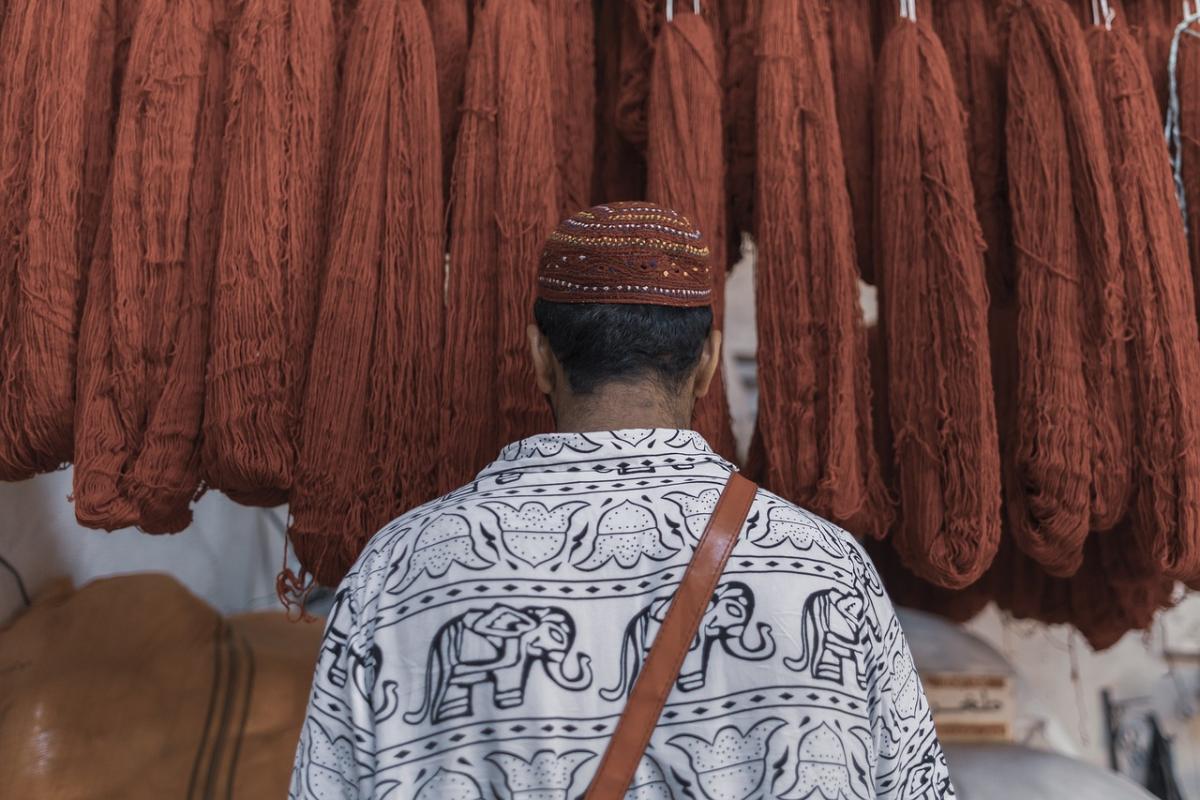
First up, you’ll need some yarn. The type of yarn you choose can make a big difference in your projects. Look for something soft and easy to work with while you’re getting the hang of basic stitches. Worsted weight yarn is a great option because it’s not too thin or heavy, making it perfect for beginners.
Next on the list are knitting needles. You’ll find them in various materials, like bamboo, metal, or plastic. If you're just starting out, lightweight bamboo needles are a fantastic choice since they’re easy to grip and won't let your stitches slip off. Check the label on your yarn for the recommended needle size to ensure you're all set!
Don’t forget a yarn needle! This handy tool helps you weave in those pesky loose ends when you finish your project. It’s a small but important part of the DIY knitting process, making your finished piece look neat and professional.
Finally, consider keeping a few handy accessories close by. Stitch markers can help you keep track of your rows, while a tape measure comes in handy for checking sizes as you go along. With these basics in place, you’ll be ready to dive into the delightful world of crafting with yarn!
Choosing the Right Yarn for Your Project
When it comes to DIY knitting, picking the right yarn can make all the difference in your project. With so many options out there, it can feel overwhelming at first. But don’t worry! I’m here to help you navigate through the colorful world of yarn so you can confidently get started on your hands-on craft.
First off, think about the type of project you’re working on. Are you designing a cozy scarf, a light summer top, or maybe something for your little one? Different yarns work better for different items. For instance, if you want a soft, snuggly blanket, go for an acrylic or wool blend. These materials are not only warm but also durable, making them ideal for cuddly creations.
Next, consider the weight of the yarn. Yarn comes in various weights, such as lace, fingering, worsted, and bulky. Lighter weights are great for delicate pieces, while heavier weights are perfect for quick, chunky projects. If you're new to crafting with yarn, starting with a medium worsted weight might be the way to go. It’s versatile and easy to handle, ideal for beginners.
Lastly, don’t forget to pay attention to color and texture! A vibrant hue can add personality to your work, while the texture can affect how your piece feels. Some yarns have a nice sheen, while others might be more rustic. The key is to choose something that inspires you and feels good in your hands – after all, DIY knitting should be a joy!
Basic Knitting Techniques for Beginners
Knitting is a fantastic way to dive into the world of DIY knitting. If you’re just getting started, there are a few basic techniques that will set you on the right path. The beauty of working with yarn is that it’s not just about creating something cozy; it’s also a hands-on craft that allows you to express your creativity.
First up, let’s talk about the knit stitch. This is the foundation of most knitting projects. To do it, simply insert your needle into the front of a stitch and wrap the working yarn around it. With a gentle tug, pull the new loop through and slide the old one off. Repeat this movement, and soon you’ll have a lovely row of knit stitches! This stitch not only helps you get comfortable with your needles but also opens the door to create a variety of patterns.
Next, we have the purl stitch. Think of this as the partner to the knit stitch. It’s just as simple, and mastering it will expand what you can create with your yarn. To purl, bring the yarn to the front before inserting your needle, and then follow a similar motion as you did with the knit stitch. Alternating knit and purl stitches gives you the chance to experiment with different textures in your projects.
Finally, practice casting on and binding off. Casting on is how you get your first stitches on the needle. There are several methods to do this, but the long-tail cast-on is popular among beginners. For binding off, it’s simply a matter of securing your stitches so your work doesn't unravel. Take your time with these steps, and soon you'll find yourself whipping up everything from scarves to blankets in no time!
Tips for Perfecting Your Knitting Skills
Getting the hang of DIY knitting can feel a bit tricky at first, but with some practice and patience, you’ll be whipping up cozy creations in no time! Here are some friendly tips to help you perfect your knitting skills and enjoy your hands-on craft.
1. Choose the Right Yarn: Not all yarn is created equal! For beginners, it’s best to start with a medium weight yarn. It’s easier to see your stitches, and you won’t end up in tangles. Cotton and acrylic blends are both great choices because they’re affordable and easy to work with.
2. Find Comfortable Needles: Your knitting needles play a huge role in your DIY knitting journey. Try to use needles that feel comfortable in your hands. They come in various materials like metal, bamboo, and plastic. Experiment to see which type you enjoy using the most!
3. Practice Your Tension: Getting your yarn tension right will help your projects look neat and professional. Don’t pull too tight or leave it too loose. A good rule of thumb is to find a balance – your stitches should slide easily yet hold their shape.
4. Take Breaks and Enjoy the Process: Knitting is all about the journey of crafting with yarn. If you feel frustrated or stuck, take a step back and relax. Go for a walk, have a cup of tea, and come back to your project when you're feeling refreshed! Remember, each stitch is a step towards becoming more skilled.