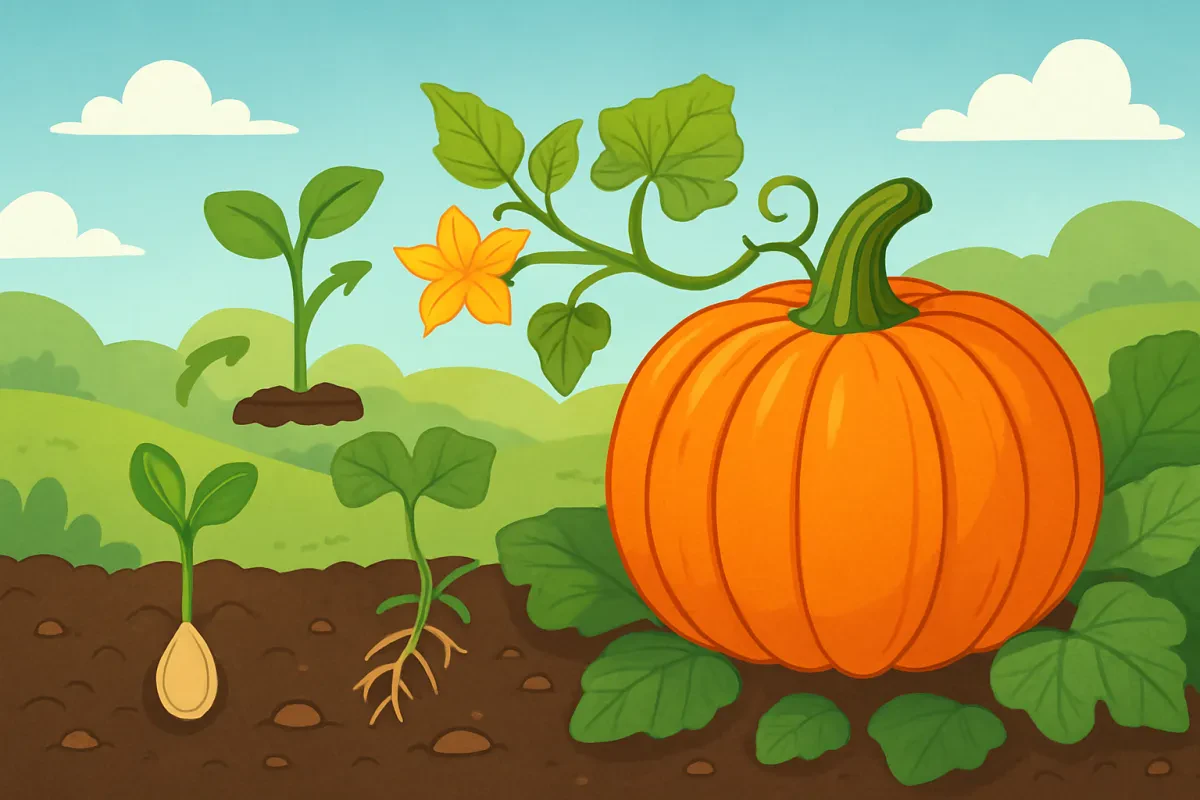
The journey of a pumpkin seed to a sprout is nothing short of magical! It all begins when a tiny seed gets planted in warm soil. With enough sunlight and water, that little seed starts waking up. This is the start of the pumpkin life cycle for kids to learn about!
As the seed absorbs moisture and warmth, it begins to sprout. First, you see little roots pushing down into the earth. These roots are super important because they drink up the water and nutrients from the soil, helping the sprout grow strong. Soon after, a green shoot pokes up to the surface. It’s like a little green flag announcing, “I’m here!”
Once the sprout breaks through the soil, it starts to grow bigger and taller. Leaves unfurl, soaking up sunlight. These leaves act like solar panels, capturing energy to help the plant keep growing. The excitement builds as the sprout transforms into a young plant, ready for the next stage of its journey in the pumpkin life cycle for kids. Watching this stage is exciting, as the plant grows before your eyes!
With enough care, this young plant will continue to thrive. It’ll soon develop flowers, which are the seeds of future pumpkins. Pollination, often helped by busy bees, allows these flowers to turn into pumpkins. Over time, those small green pumpkins will grow into big, bright orange fruits. It’s a fun adventure, showing kids how nature works from a tiny seed to a sprouting plant!
Growing Strong Pumpkin Plants
When you start planting, it’s best to prepare the soil. Pumpkins thrive in rich, well-drained soil. Mix in some compost or well-rotted manure to give your plants the nutrients they need. Kids can help by digging, mixing, and getting their hands dirty—this part is all about enjoying the process! Make sure to plant the seeds about 1 inch deep and give them enough space to spread out as they grow.
Once your pumpkins start to sprout, the learning gets even more exciting. Kids can watch how the tiny plants grow bigger each day. Water them regularly, but be careful not to overdo it. Keeping the soil moist but not soggy is key. Plus, you might see some little flowers popping up. Those flowers are super important because they will turn into the pumpkins we all love!
As the pumpkins grow, they’ll start to change color and get bigger. Kids can track their progress and measure them to see how much they grow each week. This connects perfectly to the pumpkin life cycle for kids. In no time at all, they’ll see their very own pumpkins ready for Halloween carving or yummy pies!

Rainbow Air Dry Clay Set for Kids, 24 Colors
Unleash your child's creativity with this colorful clay set perfect for imaginative projects and fun hands-on play
Product information
€8.59 €6.19
Product Review Score
4.23 out of 5 stars
160 reviewsProduct links
The Magic of Pumpkin Flowers
Have you ever noticed those beautiful yellow flowers on pumpkin plants? They’re not just pretty to look at; they play a big role in the pumpkin life cycle for kids! Each flower is like a little invitation for bees and other insects, which help the pumpkins grow by spreading pollen. Without these friendly pollinators, our pumpkins wouldn’t be as plump and tasty!
There are two types of pumpkin flowers: male and female. The male flowers are the first ones to bloom. They provide pollen, but they won’t produce pumpkins. The female flowers, on the other hand, are the ones that turn into pumpkins. You can spot them by looking for a tiny pumpkin, called an ovary, right behind the flower. When pollinators visit, they help the female flowers transform into the pumpkins we all love.
Here’s a fun fact for you! Male flowers usually open up first, followed by the females. This timing gives bees a chance to visit and do their magic! If you’re curious about the pumpkin life cycle for kids, this early blooming is one of the first exciting steps you'll observe.
To grow your own pumpkins, you can start by planting the seeds in your backyard and keeping an eye on those flowers. With a little patience, you'll see those bright blooms turn into gorgeous pumpkins by the end of the season. Watching this transformation is not just educational; it’s downright magical!
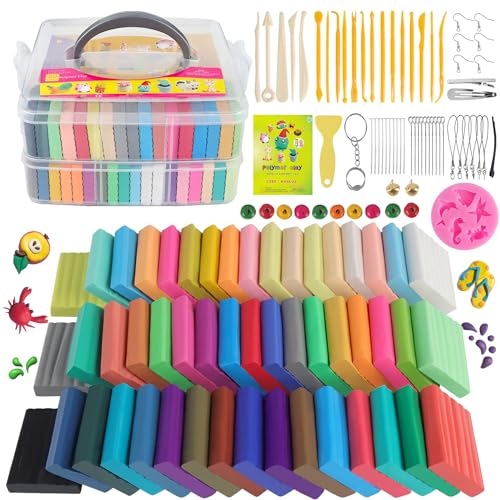
50-Color Polymer Clay Kit for Kids & Adults
Unleash your creativity and make unique projects with this vibrant and versatile polymer clay set
Product information
€25.71 €17.20
Product Review Score
4.36 out of 5 stars
78 reviewsProduct links
Harvesting Your Beautiful Pumpkins
When your pumpkins start to change color and feel firm, it's time to think about harvesting! This is the final step in the pumpkin life cycle for kids, and it’s an exciting time. You’ve nurtured those little seeds into beautiful pumpkins. What a journey!
To know when to pick them, look for that bright orange color. If you tap on the pumpkin and it makes a hollow sound, it’s ready to go! Use a sharp knife or garden shears to cut the stem about two to four inches from the top. Be careful not to prick the pumpkin's skin; you want to keep it nice and healthy.
After you've harvested, handle your pumpkins with care. If you want them to last through fall, store them in a cool, dry place. Just like you, pumpkins need some TLC after being picked!
Harvesting doesn’t just mean cutting and storing. It's about sharing your hard work too! You can make pies, decorate your home, or even carve jack-o'-lanterns. The pumpkin life cycle for kids teaches more than just growing; it’s all about enjoying the harvest as a family.