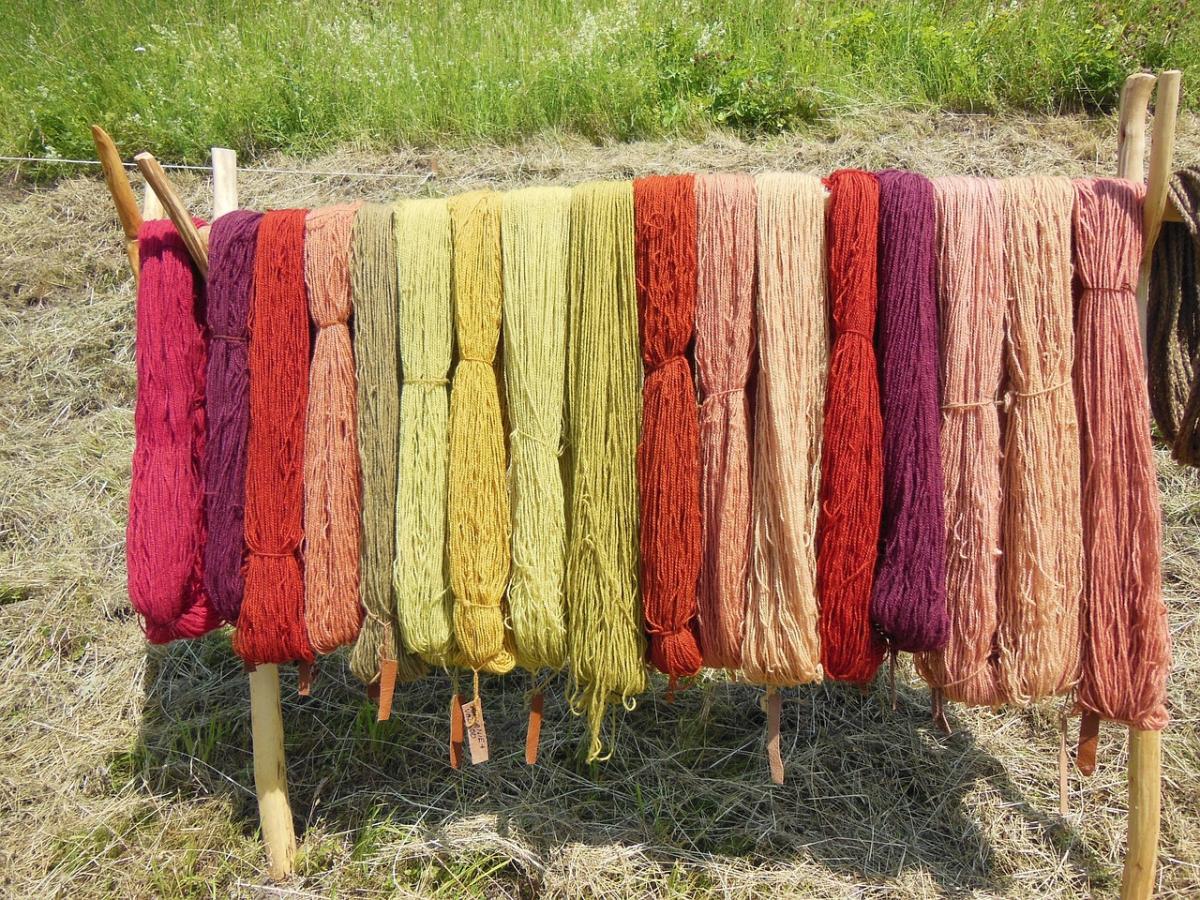
Dyeing your yarn can be a fun and creative process! If you’re looking to make your hand dyed yarn stand out, there are plenty of unique techniques to try. These methods not only give your yarn a special look but also let you express your personal style in your projects.
One popular way to dye yarn is using the immersion technique. Simply soak your DIY yarn in a dye bath made of your choice of colors. You can experiment with different dye ratios to create a unique color blend. Don’t hesitate to layer colors, too! For a gorgeous, variegated effect, let one color sit for a while before adding another. This way, you can enjoy a stunning transition in colors that’s perfect for any project.
Another fun method is the tie-dye approach. Grab some rubber bands and section your yarn into different parts. Use various dye colors and apply them to different sections. Once the dye sets and you remove the bands, you’ll have bold splashes of color that create a vibrant, fun look. This technique is excellent for those wanting to embrace a playful and artistic style in their hand dyed yarn.
If you're feeling adventurous, give the spray dyeing method a try! Lay your yarn down on a large surface and use spray bottles filled with dye. You can create beautiful patterns by spraying from different angles. The best part? You can adjust the intensity of the color by changing the distance between the spray nozzle and the yarn. It’s an easy way to achieve truly unique yarn that brings a splash of personality to your crafts!
Understanding Color Theory for Dyes
When diving into the world of hand dyed yarn, understanding color theory can really make a difference in your projects. This knowledge helps you create unique color blends that stand out and bring your DIY yarn creations to life. Let’s break down the basics of color theory in a way that’s easy and fun to grasp!
First up are the color wheel basics. You have primary colors—red, blue, and yellow. Mixing them gives you secondary colors like green, orange, and purple. For something truly special, consider adding tertiary colors, which result from mixing primary and secondary ones. Using this wheel, you can create harmonious blends or striking contrasts in your hand dyed yarn.
Next, think about color relationships. Complementary colors are opposites on the wheel (like blue and orange). When paired in a unique yarn project, they really pop! On the flip side, colors next to each other, like blue and green, create a soothing, monochromatic feel. This understanding helps you choose how bold or subtle you want your unique color blend to be.
Lastly, don’t forget about how colors can affect mood. Warm colors (reds and yellows) tend to energize, while cool colors (blues and greens) are calming. This can totally change the vibe of your DIY yarn project. So when creating hand dyed yarn, think about the impact of your color choices and how they fit into what you're envisioning.
Tools You Need for Dyeing Yarn
Getting started with dyeing your yarn at home can be a fun and creative adventure! To make sure you have everything you need for your DIY yarn journey, let’s go over some essential tools that will help you achieve those beautiful, hand dyed yarn results.
1. Dyeing Supplies
2. Safety Gear
3. Yarn Prep Tools
With the right tools in your arsenal, dyeing your own hand dyed yarn can be an enjoyable process. Experimenting with techniques will lead to unique yarn creations that bring your projects to life!
Tips for Blending Colors Seamlessly
When it comes to creating stunning unique color blends with your hand dyed yarn, the blending process is key. Here are some easy tips to ensure your colors mix beautifully: